 O'zbek
 slovenský
 Azərbaycan
 Қазақ
Қазақ Latine
 ລາວ
ລາວ български
 नेपाली
 فارسی
فارسی Javanese
 Українська
 Lietuvos
 Română
 Slovenski
 پښتو
پښتو Punjabi
 Bosanski
 Malti
Malti Galego
 Afrikaans
 Esperanto
 简体中文
简体中文 Српски
 मराठी
मराठी Ελληνικά
 čeština
 Polski
 ไทย
ไทย Nederlands
 Italiano
 Tiếng Việt
 Deutsch
 français
 русский
 Português
 Español
 한국어
한국어 Svenska
 Malay
Malay اردو
اردو norsk
norsk Indonesia
 عربى
عربى Gaeilge
 Türk
Türk Pilipino
 हिन्दी
 Dansk
Dansk বাংলা
বাংলা English
JULI Engineering Venturi Ejector Shipped to the Philippines, Boosting Industrial Upgrading in Southeast Asia
JULI Engineering Venturi Ejector Shipped to the Philippines
Boosting Industrial Upgrading in Southeast Asia
The first batch of high-performance Venturi ejectors from JULI Engineering officially set sail for the Philippines today, marking a critical step in the company’s strategic expansion into the Southeast Asian market.
This week, JULI Engineering’s innovative Venturi ejectors left the factory. These products will serve local industrial coating companies in the Philippines, providing them with more efficient and energy-saving spraying solutions.
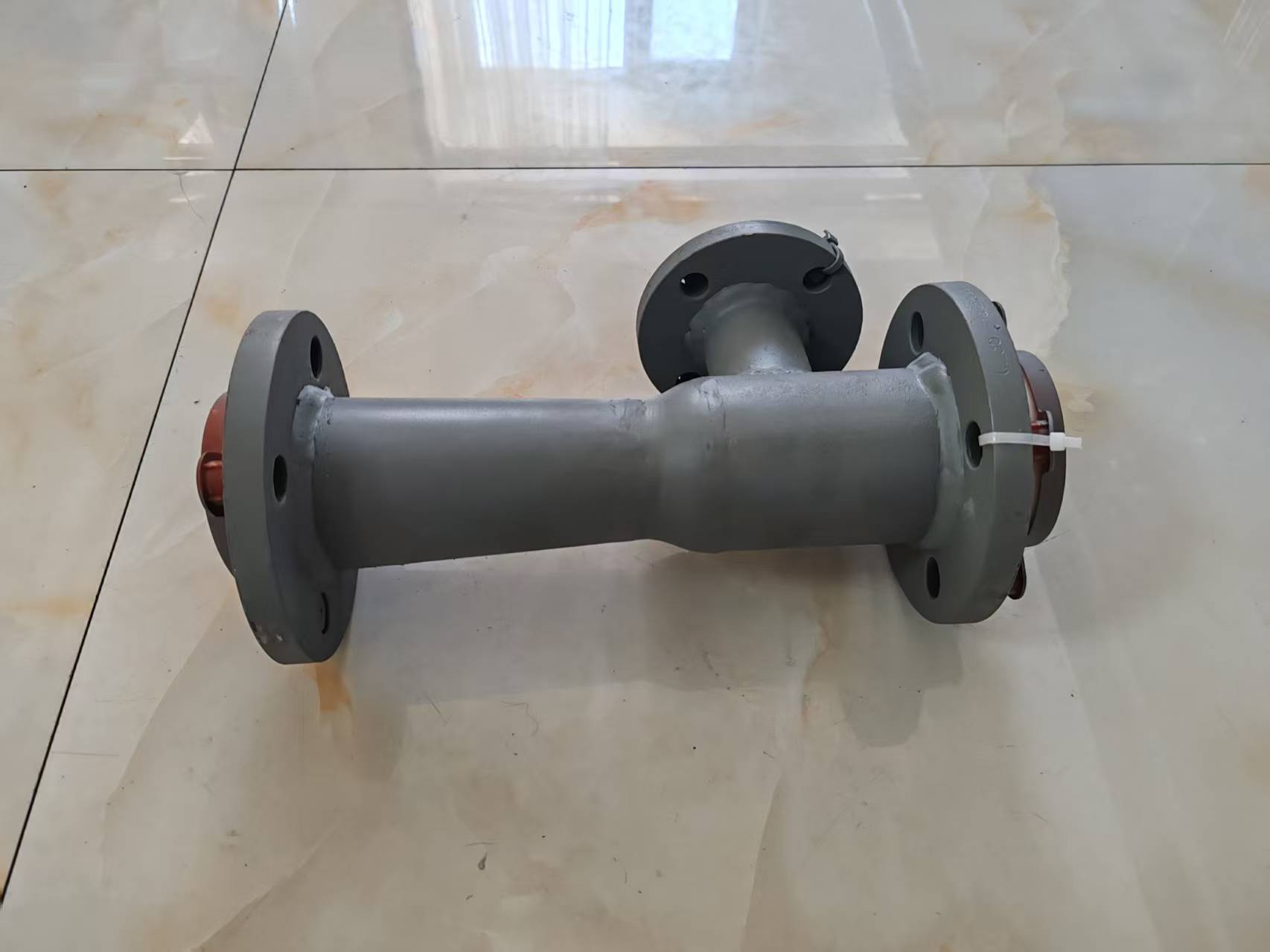
Product Advantages: Technological Innovation Driving Industry Transformation
JULI Engineering’s Venturi ejector features a patented vortex design, significantly improving spraying transfer efficiency and saving more than 15% energy compared to traditional products. Its modular structure simplifies maintenance, greatly reducing operational costs for customers.
A unique aspect of this product is its adjustable flow design, which accommodates spraying requirements for materials of different viscosities. This is particularly important for the diverse manufacturing environment in the Philippines.
Market Strategy: Strengthening the Service Network in Southeast Asia
This shipment is not merely a product delivery but also a key part of JULI Engineering’s strategic plan for the Southeast Asian market. With the manufacturing industry in the Philippines experiencing rapid growth, JULI Engineering holds strong confidence in the local market.
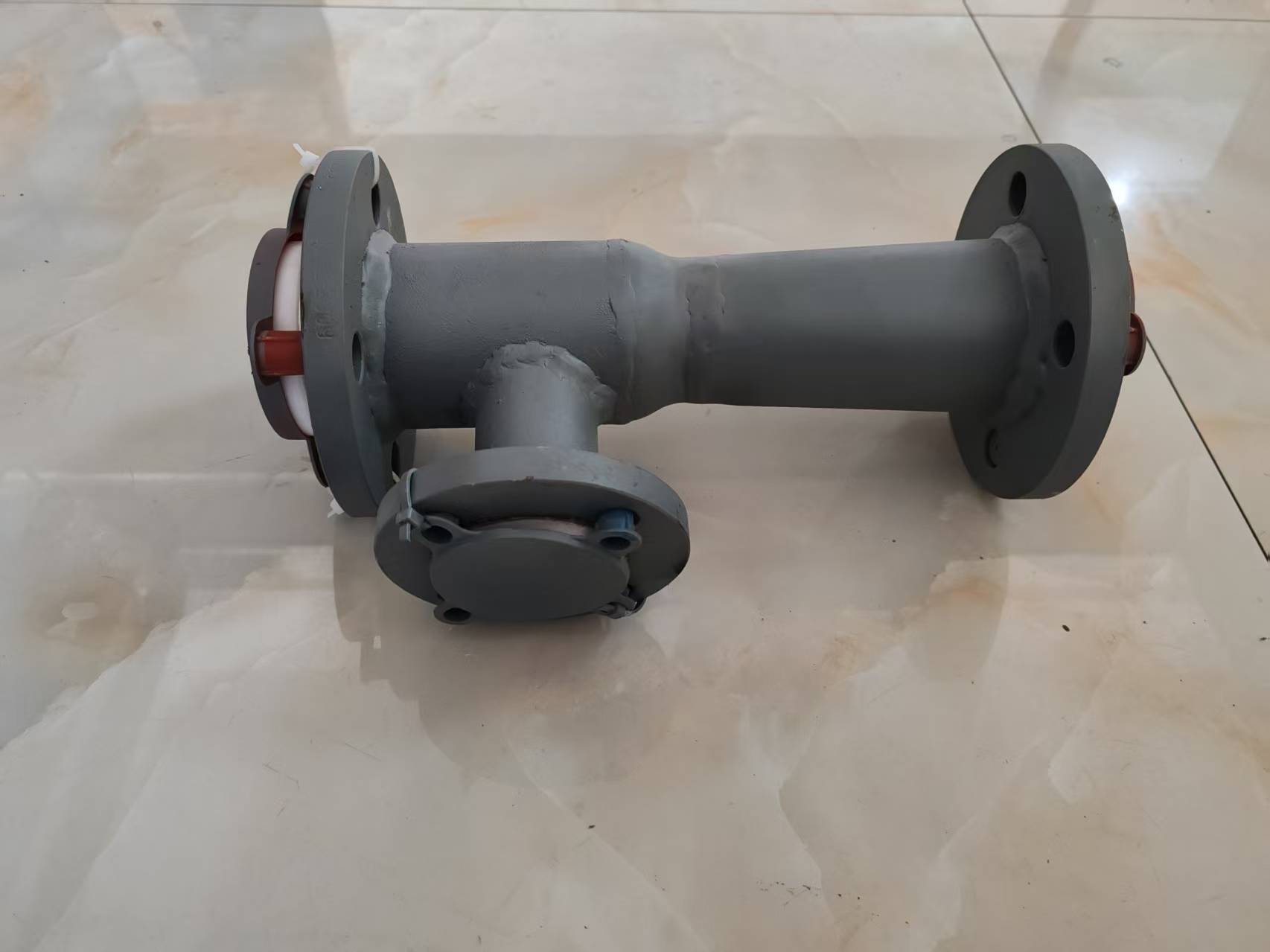
Logistics Support: Dedicated Shipping Service Ensures Timely Delivery
To ensure the safe and timely arrival of the products, JULI Engineering has opted for a specialized logistics service between China and the Philippines, meeting urgent customer demands.


Setting Sail for Global Markets! Shenyang Juli's High-End Mining Belt Conveyor Equipment Successfully Shipped to Turkey
This shipment comprises a complete set of core components—including redirection units, drive units, and tensioning systems—marking another significant export milestone for the company as it deepens its presence in the overseas mining equipment market.
Read MoreUses of Bridge Bucket Wheel Reclaimer in Modern Bulk Material Handling
In large-scale industrial operations such as mining, power generation, ports, and steel production, efficient bulk material handling systems are essential for maintaining productivity and operational stability. Among the most advanced equipment used for stockyard management is the Bridge Bucket Wheel Reclaimer, a high-capacity machine designed for continuous material recovery and stacking operations. As global industries continue to expand, the importance of this equipment in automated handling systems is becoming increasingly significant.
Read MoreWhat is Bridge Bucket Wheel Reclaimer
A Bridge Bucket Wheel Reclaimer is a large-scale bulk material handling machine widely used in stockyards, mining operations, ports, and power plants. It is designed to continuously reclaim stored bulk materials such as coal, ore, limestone, and other raw materials, and transfer them into conveyor systems for further processing or transportation. With increasing demand for automated and efficient material handling systems, this equipment has become an important part of modern industrial infrastructure.
Read More