O'zbek
 slovenský
 Azərbaycan
 Қазақ
Қазақ Latine
 ລາວ
ລາວ български
 नेपाली
 فارسی
فارسی Javanese
 Українська
 Lietuvos
 Română
 Slovenski
 پښتو
پښتو Punjabi
 Bosanski
 Malti
Malti Galego
 Afrikaans
 Esperanto
 简体中文
简体中文 Српски
 मराठी
मराठी Ελληνικά
 čeština
 Polski
 ไทย
ไทย Nederlands
 Italiano
 Tiếng Việt
 Deutsch
 français
 русский
 Português
 Español
 한국어
한국어 Svenska
 Malay
Malay اردو
اردو norsk
norsk Indonesia
 عربى
عربى Gaeilge
 Türk
Türk Pilipino
 हिन्दी
 Dansk
Dansk বাংলা
বাংলা English
News
-
 Read More
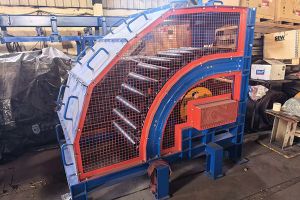
Setting Sail for Global Markets! Shenyang Juli's High-End Mining Belt Conveyor Equipment Successfully Shipped to Turkey
This shipment comprises a complete set of core components—including redirection units, drive units, and tensioning systems—marking another significant export milestone for the company as it deepens its presence in the overseas mining equipment market.
-
 Read More
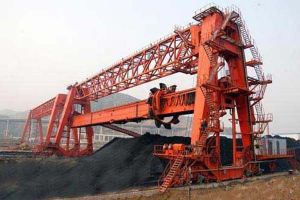
What is Bridge Bucket Wheel Reclaimer
A Bridge Bucket Wheel Reclaimer is a large-scale bulk material handling machine widely used in stockyards, mining operations, ports, and power plants. It is designed to continuously reclaim stored bulk materials such as coal, ore, limestone, and other raw materials, and transfer them into conveyor systems for further processing or transportation. With increasing demand for automated and efficient material handling systems, this equipment has become an important part of modern industrial infrastructure.
-
 Read More
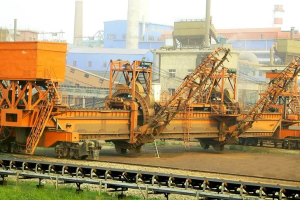
Uses of Bridge Bucket Wheel Reclaimer in Modern Bulk Material Handling
In large-scale industrial operations such as mining, power generation, ports, and steel production, efficient bulk material handling systems are essential for maintaining productivity and operational stability. Among the most advanced equipment used for stockyard management is the Bridge Bucket Wheel Reclaimer, a high-capacity machine designed for continuous material recovery and stacking operations. As global industries continue to expand, the importance of this equipment in automated handling systems is becoming increasingly significant.
-
 Read More
Belt Conveyor Working Principle Explained
In modern industrial production, logistics, mining, and bulk material handling systems, belt conveyors are one of the most widely used transportation solutions. Their ability to move materials continuously and efficiently has made them a core component in automated production lines and large-scale industrial operations. Understanding the belt conveyor working principle is essential for industries that rely on efficient material flow and reduced manual handling.
-
 Read More
Juli Engineering Strengthens Position Among Belt Conveyor Manufacturers
As global industries continue to expand in mining, construction, logistics, manufacturing, and bulk material handling, the demand for efficient conveying systems has increased significantly. Among these systems, belt conveyors remain one of the most widely used solutions for continuous and automated material transportation. In this growing market, Juli Engineering has gained recognition as a reliable name among belt conveyor manufacturers, offering engineered solutions designed for durability, efficiency, and long-term performance.
-
 Read More
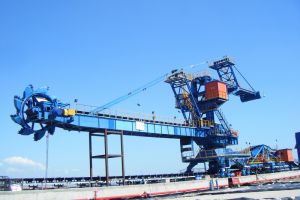
Maintenance and Care Practices for Bucket Wheel Stacker Reclaimers in Modern Industrial Operations
As large-scale bulk material handling systems continue to expand worldwide, the bucket wheel stacker reclaimer has become a cornerstone of efficient storage and recovery operations in ports, power plants, and mining facilities. However, to ensure long-term reliability and stable performance, proper maintenance and care are essential.
-
 Read More
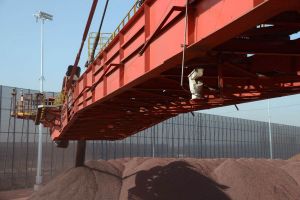
Bucket Wheel Stacker Reclaimer Uses in Modern Bulk Material Handling Systems
As global demand for efficient bulk material handling continues to rise, the bucket wheel stacker reclaimer has become a critical piece of equipment in large-scale industrial operations. Widely used in ports, power plants, mining sites, and steel production facilities, this machine plays an essential role in automating the stacking and reclaiming of bulk materials.
-
Read More
How Does a Plane Turning Belt Conveyor Navigate Curved Paths Without Transfer Points
In high-capacity material handling industries, efficiency, continuity, and cost control are key performance drivers. Traditional belt conveyor systems often rely on multiple transfer points to change direction, which can increase operational complexity, material loss, and maintenance demands. To address these challenges, the plane turning belt conveyor has emerged as an innovative solution, enabling smooth navigation along curved paths without the need for intermediate transfer stations.
-
Read More
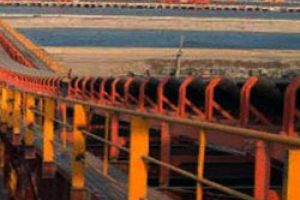
How Does a Pipe Belt Conveyor Prevent Material Spillage and Reduce Environmental Dust Compared to Traditional Conveyors
In modern bulk material handling, environmental protection and operational efficiency have become equally critical. Industries such as mining, power generation, cement, and chemical processing are under increasing pressure to minimize dust emissions and material loss during transportation. In this context, pipe belt conveyors have emerged as an advanced solution, offering clear advantages over traditional open belt conveyor systems.
-
 Read More
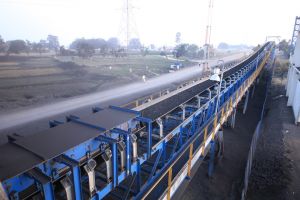
How Does a Downward Belt Conveyor Harness Gravity to Reduce Energy Consumption in Bulk Material Handling
In the evolving world of bulk material handling, industries are increasingly seeking energy-efficient solutions that lower operational costs while maintaining high productivity. One such innovation gaining attention is the downward belt conveyor—a system designed to take advantage of gravity to optimize performance. By intelligently utilizing natural forces, downward belt conveyors are transforming how materials are transported in mining, cement, quarrying, and other heavy industries.
-
 Read More
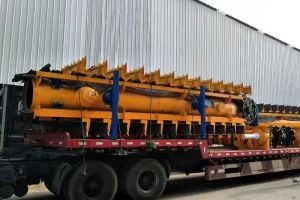
How Does a Belt Conveyor Improve Material Handling Efficiency in High-Volume Industrial Settings
In today’s fast-paced industrial landscape, efficiency is no longer a competitive advantage—it is a necessity. High-volume production environments such as mining, manufacturing, logistics, and bulk material processing demand systems that can handle large quantities of materials quickly, safely, and cost-effectively. Among the most widely adopted solutions, belt conveyors stand out as a cornerstone technology that significantly enhances material handling efficiency.
-
 Read More
Why Is a Buried Scraper Conveyor Ideal for Handling Fine or Dusty Materials Without Spillage
In industries such as cement manufacturing, coal processing, grain handling, and chemical production, the movement of fine or dusty bulk materials presents ongoing operational challenges. Dust leakage, material spillage, and environmental contamination not only increase cleanup costs but also create safety risks and reduce overall efficiency. Among the various bulk handling systems available today, the buried scraper conveyor stands out as an ideal solution for transporting fine or powdery materials with minimal loss and maximum containment.